
Tummy Tuck
Abdominal contouring and core restoration, designed to rebuild both the shape and the structural support of your midsection.
Book a consultation- Procedure time
- 2 to 4 hours
- Anaesthesia
- General
- Back to routine
- 3 to 6 weeks
- Full results
- 6 to 12 months
The procedure
Reshaping and Restoring the Abdomen
A tummy tuck, or abdominoplasty, removes excess skin and fat while repairing weakened or separated abdominal muscles, a condition known as diastasis recti. Pregnancy, significant weight fluctuations and ageing can all leave the abdomen with loose skin, stubborn fat and reduced core support that diet and exercise alone cannot correct.
Dr. Leandro Junqueira approaches every tummy tuck as both an aesthetic and functional procedure. Repairing the abdominal wall can improve posture and lower back support, while removing excess skin and refining the waist restores a firmer, more balanced silhouette.
Why patients choose it
Diastasis Recti Repair
The abdominal wall is repositioned toward the midline, functioning as an internal support corset.
Firmer Abdominal Contour
Excess skin and stubborn fat are removed for a flatter, smoother profile.
Improved Posture and Back Support
Restoring abdominal integrity can help ease strain that the lower back compensates for.
Refined Waist Definition
Can be combined with liposuction for a more sculpted transition around the waist and flanks.
Belly Button Repositioning
Addressed as part of a full tummy tuck for a natural, proportionate result.
Restored Confidence
A firmer, more functional midsection that supports daily activity and body confidence alike.
Your journey
From consultation to result
-
01
Consultation
Assessment of skin excess, muscle separation, previous pregnancies and overall abdominal anatomy.
-
02
Planning
Choosing between mini, full or 360 degree lipoabdominoplasty based on your goals and anatomy.
-
03
Surgery
Muscle repair, skin and fat removal, and belly button repositioning where needed, under general anaesthesia.
-
04
Recovery
Guided early mobility, compression garments and structured follow up as the abdomen settles.
Techniques and Options
The right approach depends on the amount of skin excess, muscle separation and whether additional contouring is desired.
Mini Tummy Tuck
For lean patients with localized laxity below the belly button, using a smaller incision and limited skin removal.
Full Tummy Tuck
Full muscle repair, excess skin and fat removal, and belly button repositioning, commonly recommended after pregnancy.
Tummy Tuck 360 (Lipoabdominoplasty)
Combines circumferential liposuction with abdominoplasty for more comprehensive waist and back contouring.
Combined with Liposuction
Additional sculpting of the flanks and back to smooth the transition around the newly tightened abdomen.
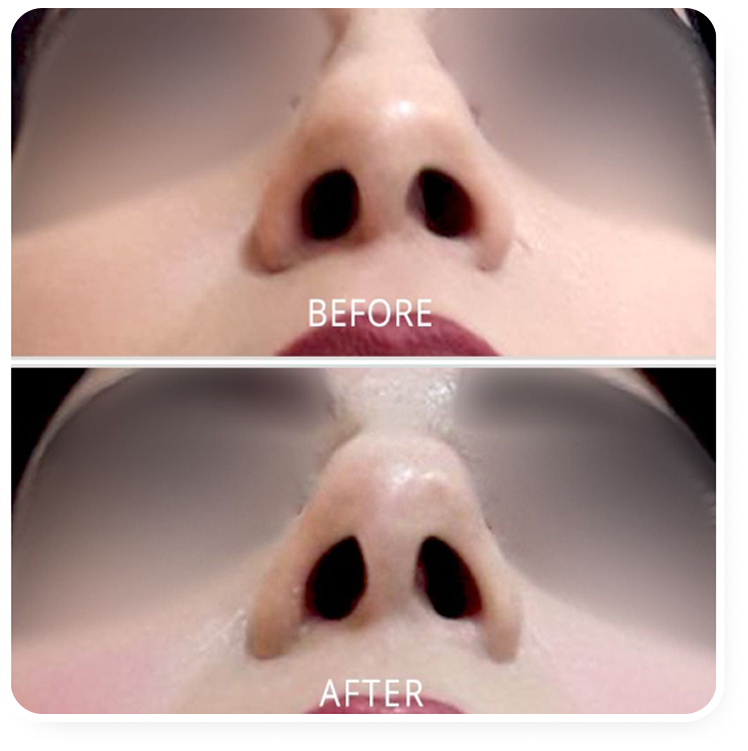
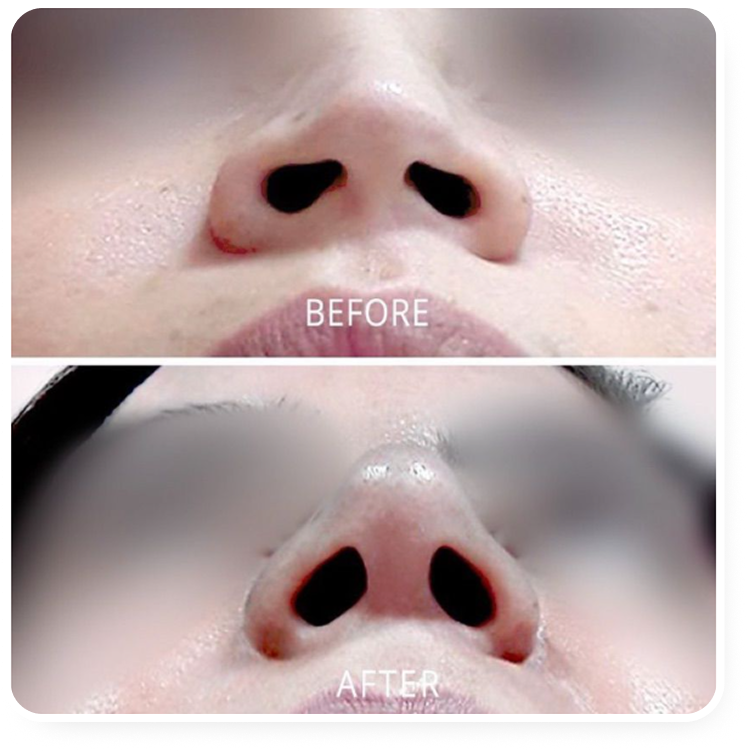
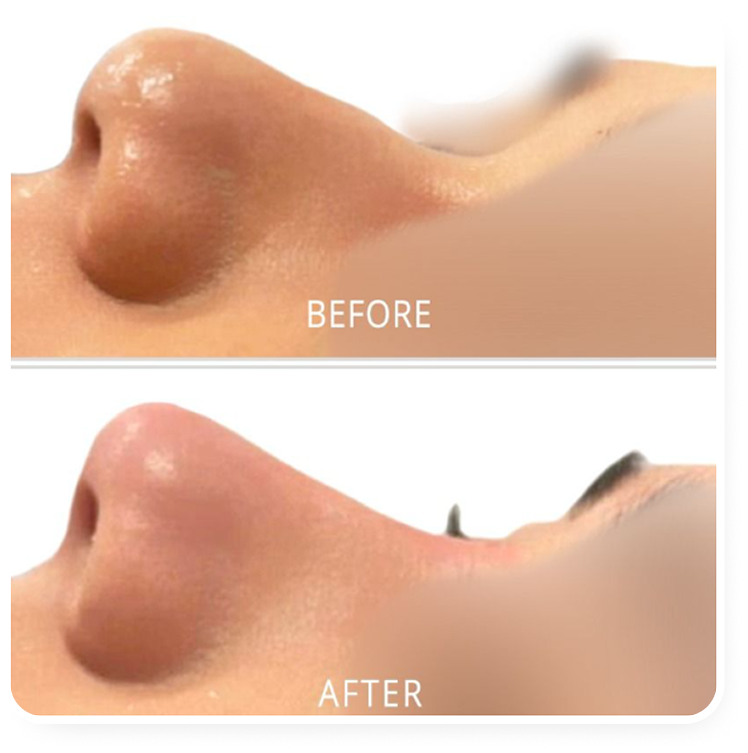
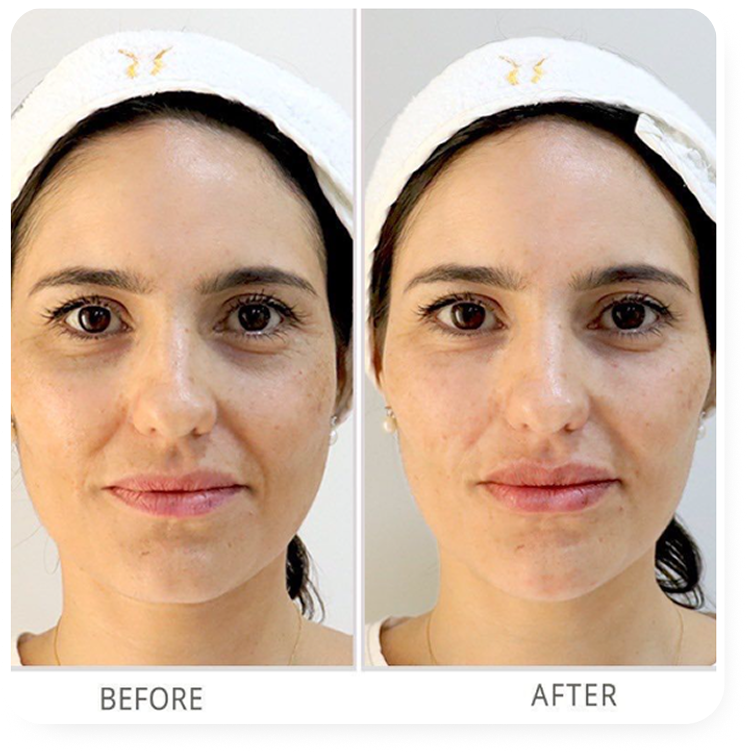
Before and After
Tummy Tuck FAQ
No, a tummy tuck is a body contouring and tightening procedure, not a weight loss surgery. It is best suited to patients at a stable weight who have excess skin and muscle laxity that exercise cannot resolve.
Diastasis recti is the separation of the abdominal muscles along the midline, common after pregnancy. During abdominoplasty, Dr. Leandro Junqueira repairs this separation by repositioning the muscles, which can improve core stability and abdominal contour.
A mini tummy tuck addresses limited skin excess below the belly button through a smaller incision, while a full tummy tuck includes complete muscle repair, more extensive skin removal and repositioning of the belly button. The right option depends on your anatomy and goals.
Yes. Combining liposuction with abdominoplasty, sometimes called a Tummy Tuck 360 or lipoabdominoplasty, allows for more comprehensive contouring across the abdomen, waist and back in a single procedure.
Light walking is encouraged early on to support circulation. Most patients return to light daily activity within one to two weeks, with structured exercise and abdominal training reintroduced gradually from around six to eight weeks, guided by your recovery.