
Flap Reconstruction
Rebuilding the breast with your own living tissue, for a natural feel and a durable, long term result.
Book a consultation- Procedure time
- 4 to 8 hours
- Anaesthesia
- General
- Back to routine
- 4 to 6 weeks
- Results
- Long lasting
The procedure
Reconstruction Using Your Own Tissue
Flap breast reconstruction uses the patient's own living tissue to recreate the breast following mastectomy or previous breast cancer surgery. Rather than relying on an implant, tissue containing skin, fat and its own blood supply is moved from a donor area of your body and shaped into a new breast.
Because the reconstructed breast is built from your own tissue, it tends to feel soft and to change with your body over time in a way that mirrors the natural breast. Dr. Leandro Junqueira evaluates your donor sites, general health and recovery capacity to determine whether flap reconstruction is a suitable option for you.
Why patients choose it
Natural Look and Feel
Living tissue tends to look and feel softer and more natural than an implant alone.
Long Term Result
Because there is no implant, there is no device related maintenance or eventual implant exchange to plan for.
Body Contouring Benefit
Donor sites such as the abdomen are often contoured in the process, offering a secondary body shaping effect.
Ages Naturally
The reconstructed breast responds to weight changes and ageing in a way similar to natural breast tissue.
Reduced Implant Risk
Avoids risks specific to implants, such as capsular contracture or the need for future replacement.
Individualised Donor Choice
Donor site selected according to your available tissue, prior surgeries and personal preference.
Your journey
From consultation to result
-
01
Consultation
Assessment of donor site options, general health and suitability for a longer microsurgical procedure.
-
02
Planning
Selecting the donor tissue and reconstructive design suited to your body and desired breast shape.
-
03
Surgery
A longer, meticulous procedure moving tissue and reconnecting its blood supply, under general anaesthesia.
-
04
Recovery
A more involved early recovery than implant based reconstruction, followed by structured, close follow up.
Donor Site Considerations
The right donor site depends on your available tissue, body shape and prior surgical history.
Abdominal Tissue
A commonly used donor site, which can also improve abdominal contour as a secondary benefit.
Back Tissue
An alternative donor site, sometimes combined with an implant when additional volume is needed.
Thigh Tissue
Considered for patients without sufficient abdominal donor tissue.
Combined Approaches
In selected cases, flap tissue and an implant are used together to achieve the desired volume and shape.
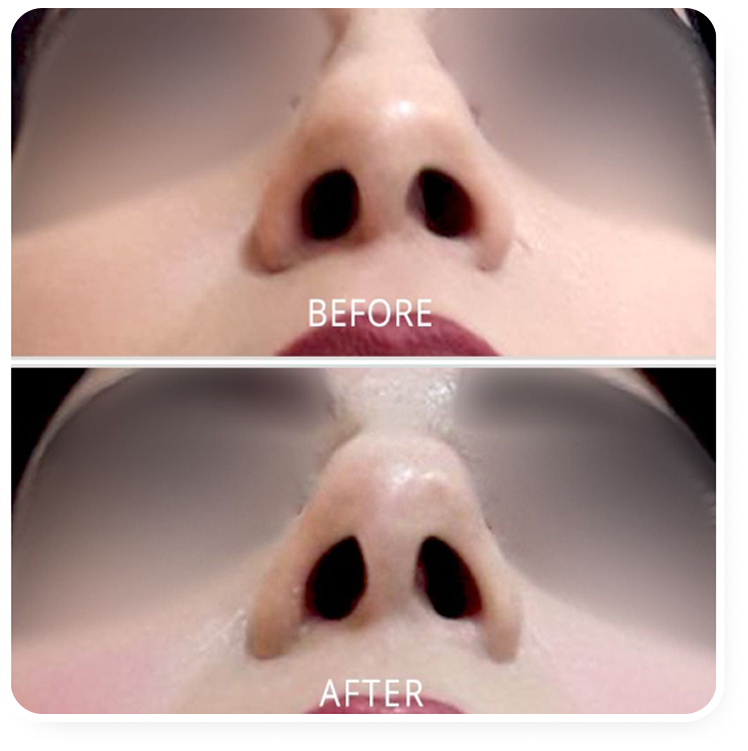
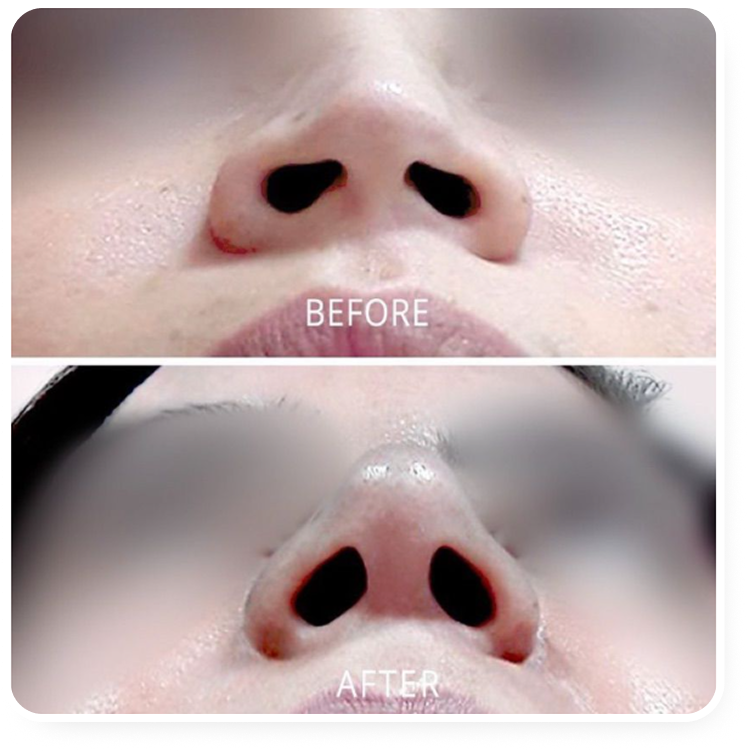
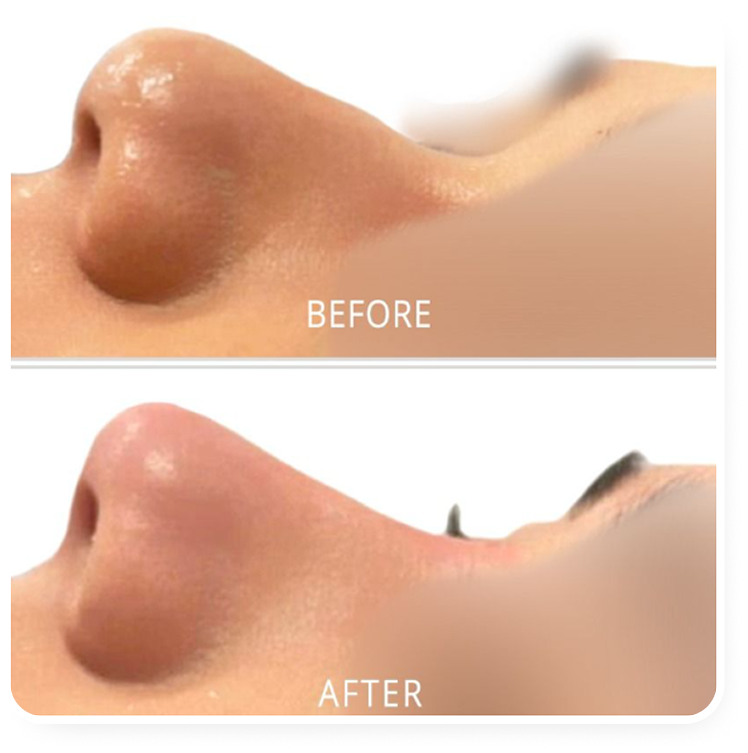
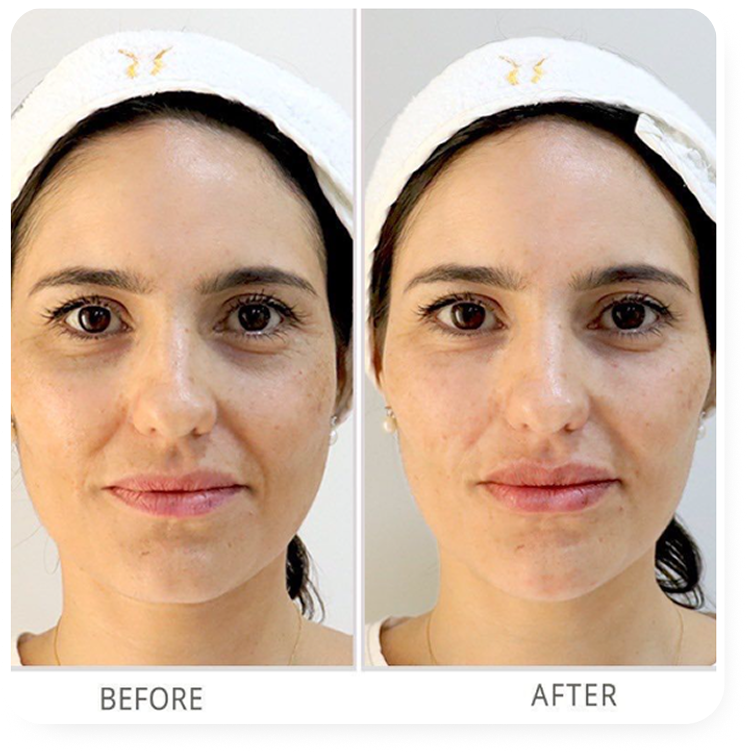
Before and After
Flap Reconstruction FAQ
Flap reconstruction rebuilds the breast using your own tissue and its blood supply, while implant reconstruction uses a silicone implant. Dr. Leandro Junqueira discusses both options with you, since each has a different recovery profile and long term consideration.
Yes, moving tissue from a donor area, such as the abdomen, back or thigh, leaves a scar there in addition to the breast incisions. Incision placement is planned to be as discreet as possible.
Generally yes, flap reconstruction is a longer operation with a more involved early recovery, because it involves moving and reconnecting living tissue rather than placing a device. Dr. Leandro Junqueira reviews this tradeoff with you during planning.
Candidacy depends on your available donor tissue, general health, and ability to tolerate a longer surgical procedure. Some medical conditions and prior surgeries may affect which donor sites are suitable.
Because it is made of your own living tissue, the reconstructed breast tends to change with your body, including with weight fluctuations, in a way that mirrors natural breast tissue more closely than an implant.