
Scar Revision
A tailored approach to improving the appearance, texture and function of a scar, with realistic, honest expectations.
Book a consultation- Procedure time
- 30 minutes to 2 hours
- Anaesthesia
- Local or general
- Back to routine
- 1 to 2 weeks
- Results
- Improved, not erased
The procedure
Improving Scars, Realistically
Scar revision is a highly individualised treatment designed to improve the appearance, texture, position or function of a scar. Scars can result from previous surgery, an accident, a burn, or a wound that healed poorly, and their impact ranges from a purely cosmetic concern to real restriction of movement or comfort.
No technique can remove a scar entirely, since any incision through the skin will heal with some visible mark. Dr. Leandro Junqueira focuses on what can genuinely be improved, whether that means a flatter, less noticeable line, a better position, or restored movement where a scar has caused tightness.
Why patients choose it
Improved Appearance
Refining the width, colour, texture or contour of a scar for a less noticeable result.
Better Positioning
Repositioning a scar along natural skin lines or folds where it will be less visible.
Restored Function
Releasing scar tightness that restricts movement, particularly near joints or across skin folds.
Reduced Symptoms
Addressing itching, tenderness or raised, thickened scar tissue.
Combined Techniques
Surgical revision paired with adjunct treatments, such as laser or steroid injection, when appropriate.
Realistic Planning
An honest conversation about what a given scar can and cannot achieve before you commit to treatment.
Your journey
From consultation to result
-
01
Consultation
Assessment of the scar cause, age, tissue behaviour and your specific concerns.
-
02
Planning
Choosing a surgical, adjunct, or combined approach suited to the scar and your skin type.
-
03
Treatment
A precise procedure performed under local or general anaesthesia, depending on scope.
-
04
Recovery
Structured aftercare and, when helpful, staged treatments as the new scar matures.
Approaches to Scar Revision
The right approach depends on the type of scar, how it behaves, and what specifically bothers you about it.
Surgical Excision
Removing the existing scar and closing the wound with meticulous technique for a finer resulting line.
Scar Repositioning
Redirecting a scar along a more favourable skin line or fold using specific closure patterns.
Keloid and Hypertrophic Scars
Scars that are raised or thickened may need a combined approach, since these can recur after simple excision alone.
Adjunct Treatments
Laser therapy, steroid injection or silicone based products may be used alongside surgery to support the final result.
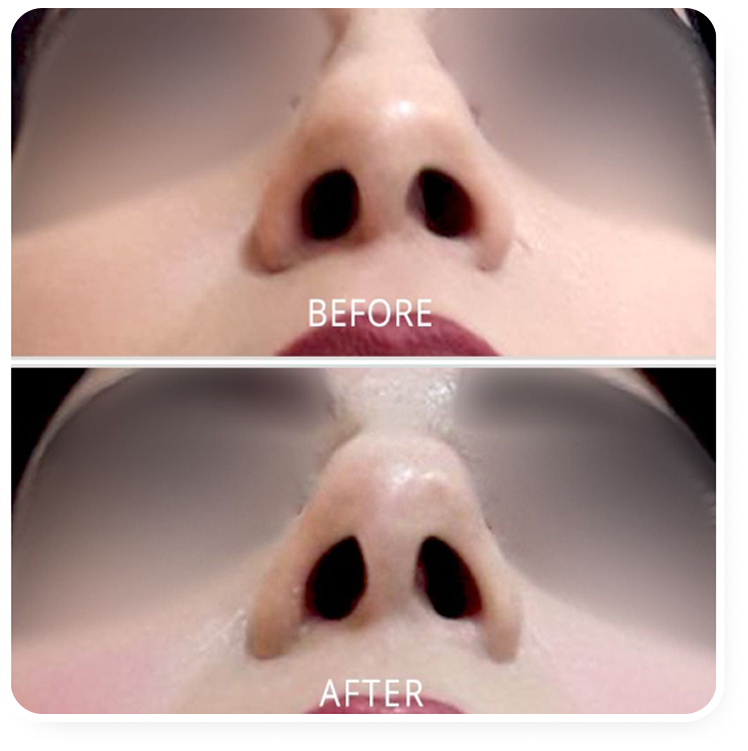
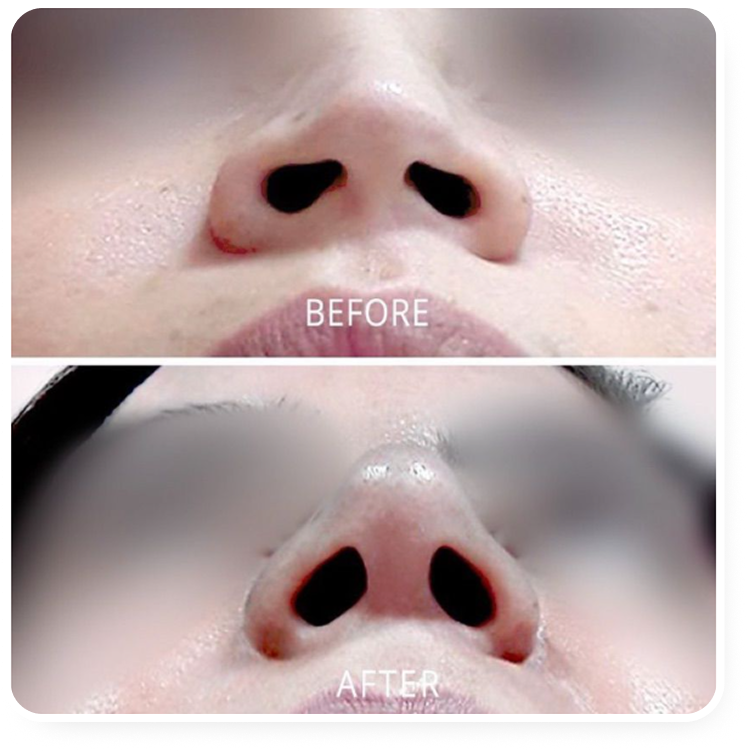
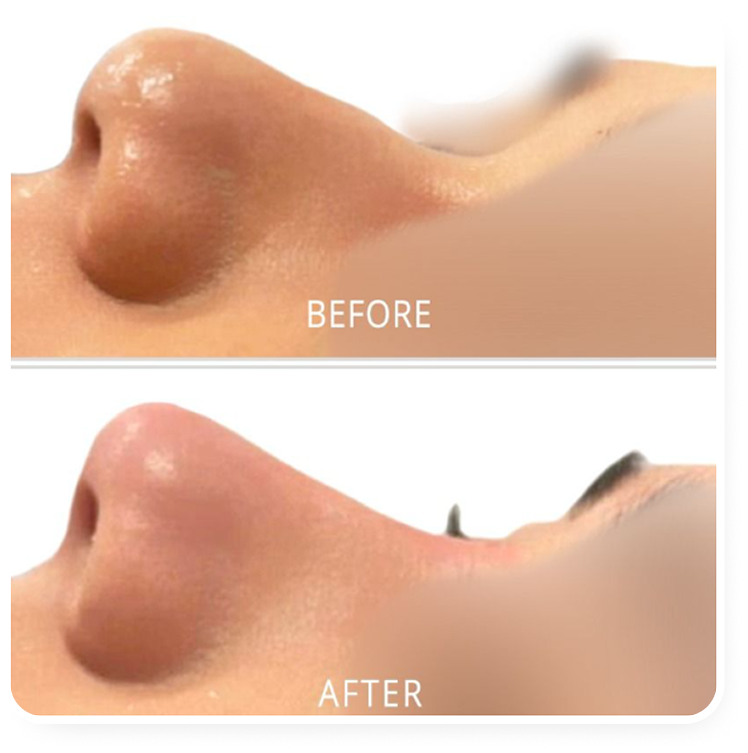
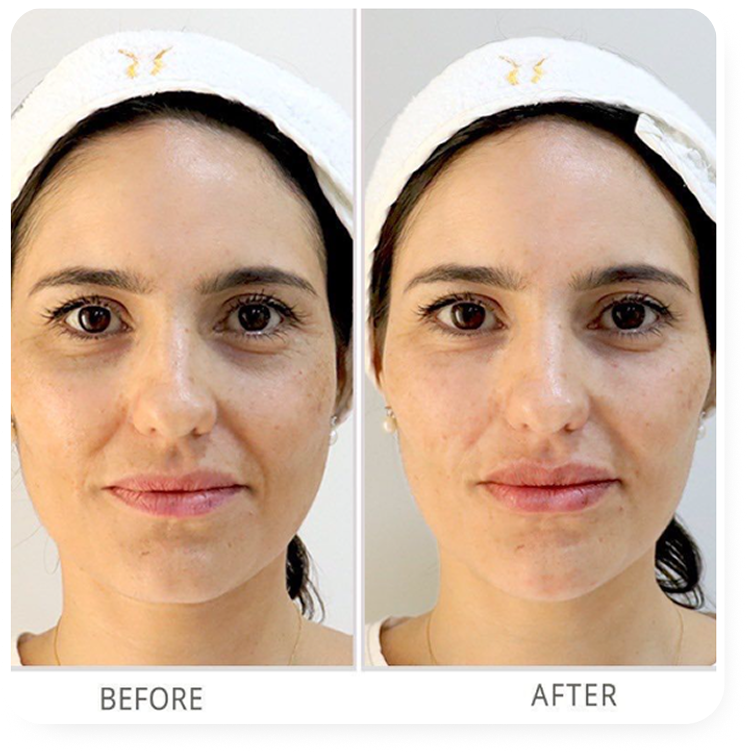
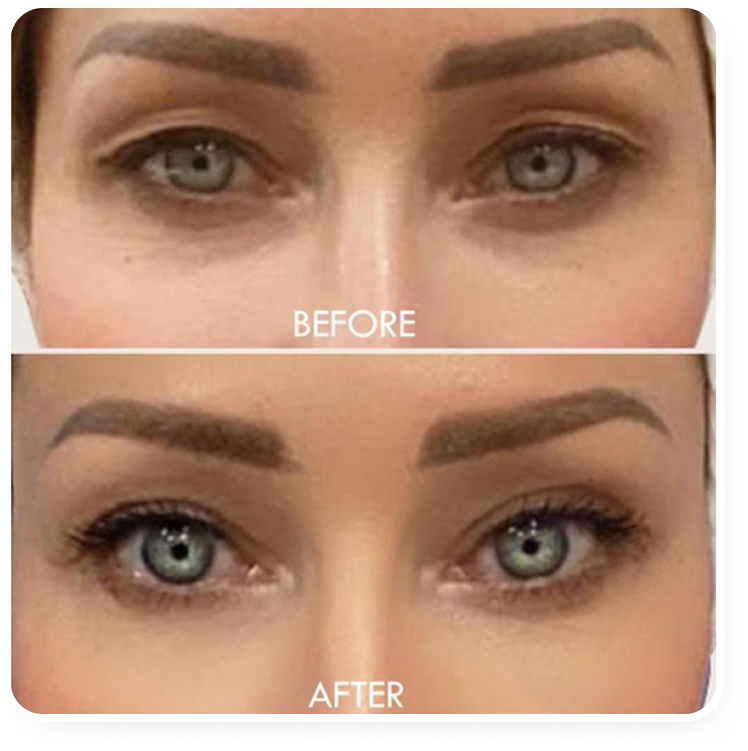
Before and After
Scar Revision FAQ
No technique can remove a scar entirely, since any incision through the skin heals with some mark. Scar revision aims to make an existing scar less noticeable, better positioned, or less restrictive, rather than to erase it.
Timing depends on the scar. Some benefit from waiting twelve months or more to mature naturally before revision, while others, such as scars causing tightness or restricted movement, may be treated sooner. Dr. Leandro Junqueira advises on timing during consultation.
Yes, keloid and hypertrophic scars can recur after simple surgical removal, so they are often treated with a combined approach, which may include steroid injection or other adjunct treatments alongside surgery.
Yes, any surgical revision creates a new incision, which is planned and closed to heal as finely as possible, typically resulting in an improved scar rather than no scar at all.
Not always. Some scars restrict movement or cause discomfort, particularly near joints, and revision in these cases can restore function as well as improve appearance.