
Blepharoplasty
Eyelid surgery that removes excess skin and fat pockets to correct sagging, puffiness and a tired look, and can even improve your field of vision.
Book a consultation- Procedure time
- 1 to 2 hours
- Anaesthesia
- Local with sedation or general
- Back to routine
- 1 to 2 weeks
- Results
- Long-lasting
The procedure
A Brighter, More Rested Look
Blepharoplasty, or eyelid surgery, removes excess skin and fat pockets from the upper or lower eyelids to correct sagging, puffiness and a tired look. In some patients with significant upper eyelid drooping, it can also improve the field of vision that had become obstructed.
Dr. Leandro Junqueira evaluates the upper and lower eyelids separately, along with the surrounding brow and cheek, to plan the correction that will refresh your eyes while keeping their natural shape and expression.
Why patients choose it
A More Rested Appearance
Removing excess skin and fat reduces the tired, heavy look that develops around the eyes over time.
Reduced Puffiness
Fat pockets beneath the eyes that contribute to a swollen appearance are addressed directly.
Improved Field of Vision
When upper eyelid skin obstructs sight, its removal can meaningfully improve peripheral vision.
Discreet Scarring
Incisions follow the natural eyelid crease or are placed inside the lower lid, keeping them well hidden.
Complements Other Procedures
Often paired with an eyebrow lift or facelift for a more complete rejuvenation.
Natural Eye Shape Preserved
The goal is refreshed eyes that still look like your own, not a changed eye shape.
Your journey
From consultation to result
-
01
Consultation
An assessment of your upper and lower eyelids, skin laxity and any effect on your vision.
-
02
Planning
Deciding which eyelids to treat and the extent of skin and fat correction needed.
-
03
Surgery
A precise procedure, often performed under local anaesthesia with sedation, in an accredited facility.
-
04
Recovery
Cold compresses and guided aftercare as swelling and bruising resolve.
Techniques and Options
Blepharoplasty can address the upper eyelids, the lower eyelids, or both, depending on where your concerns lie.
Upper Eyelid Surgery
Removes excess skin and fat that cause hooding and, in more advanced cases, can restrict the upper field of vision.
Lower Eyelid Surgery
Addresses puffiness, under-eye bags and loose skin, often through an incision hidden just inside the lower lid.
Combined Upper and Lower
When both areas show signs of aging, treating them together creates a more balanced, cohesive result.
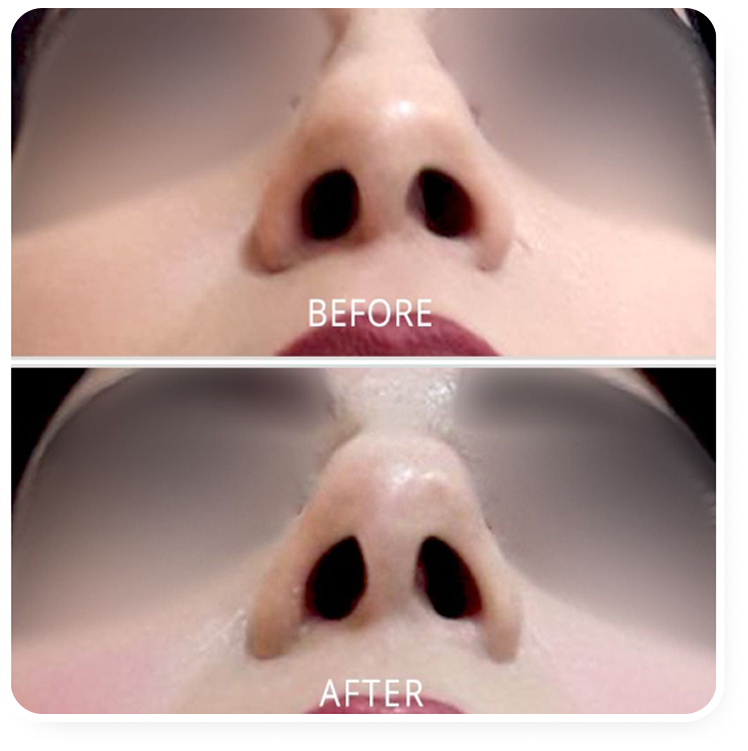
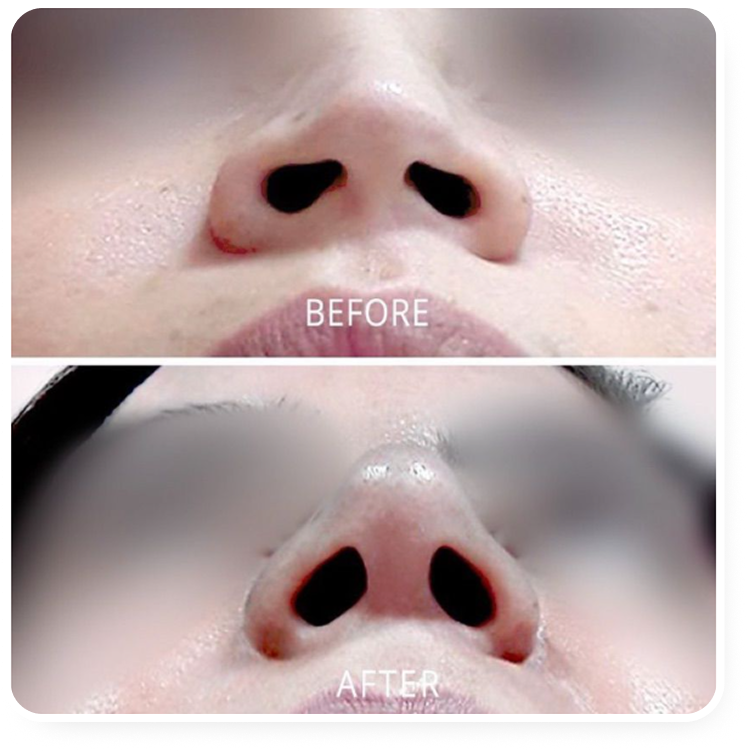
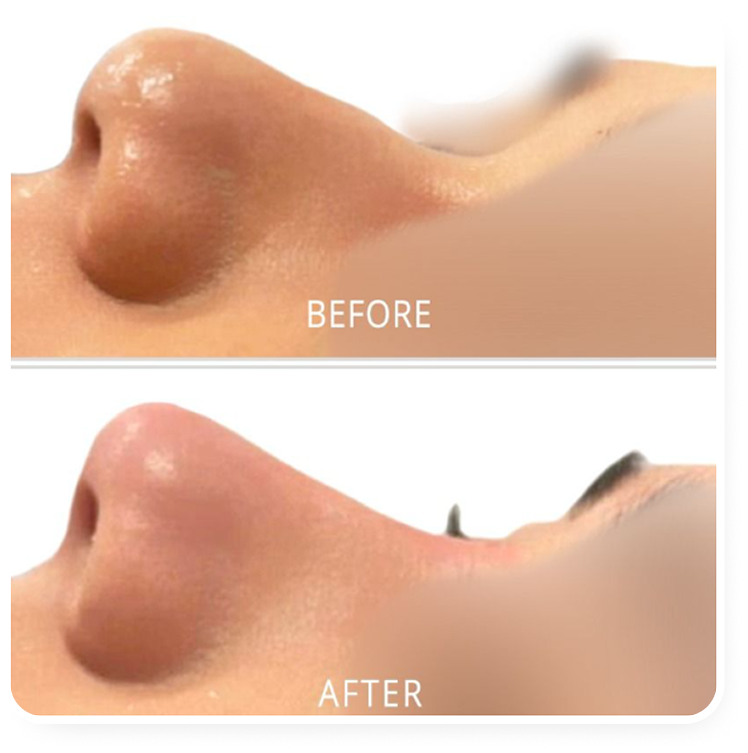
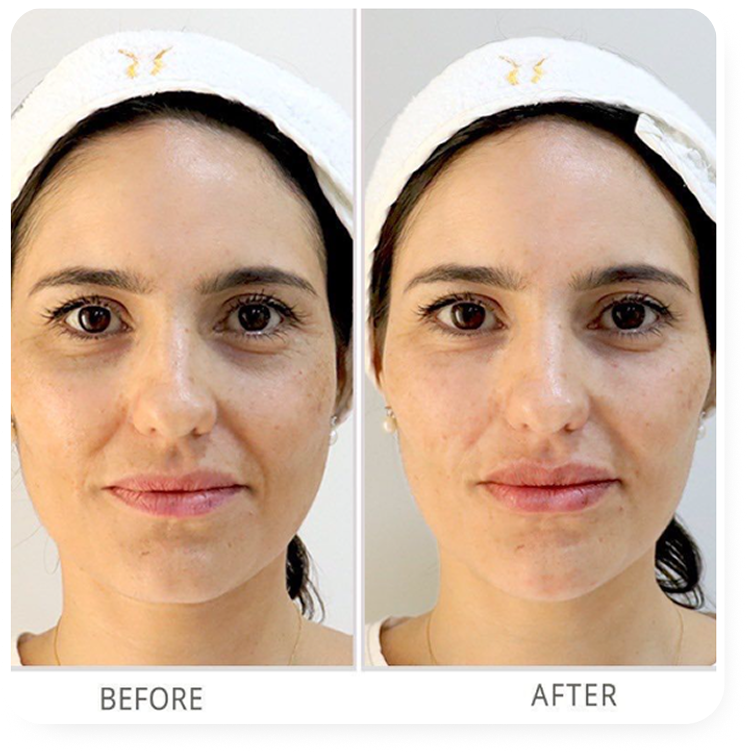
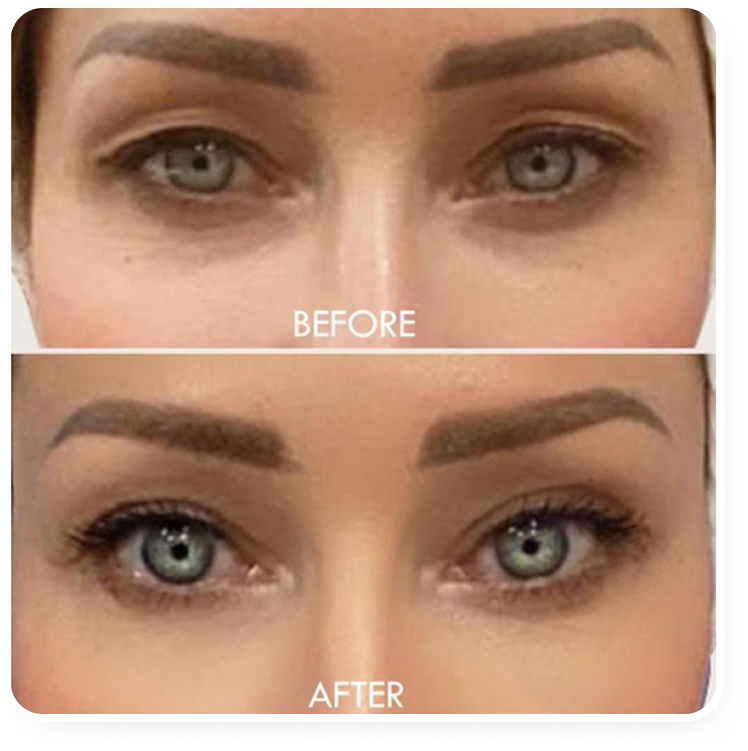
Before and After
Blepharoplasty FAQ
In patients whose upper eyelid skin has drooped enough to obstruct part of their field of vision, removing that excess skin during blepharoplasty can produce a measurable improvement. This is assessed during consultation.
The goal is to remove excess skin and fat while preserving your natural eye shape, so the result reads as refreshed rather than altered.
This depends on where your concerns are concentrated. Some patients only need upper eyelid correction, others only the lower, and some benefit from treating both. This is evaluated individually.
Swelling and bruising are most noticeable in the first week to ten days. Most patients return to routine within one to two weeks, with residual swelling continuing to settle over the following weeks.
Incisions follow the natural crease of the upper eyelid or are placed just inside the lower lid, so scarring is generally very discreet once healed.