
Direct to Implant Breast Reconstruction
A single stage approach to breast reconstruction, placing the definitive implant at the time of mastectomy for appropriately selected patients.
Book a consultation- Procedure time
- Combined with mastectomy
- Anaesthesia
- General
- Back to routine
- 3 to 4 weeks
- Results
- Refined over months
The procedure
Reconstruction in a Single Stage
Direct to implant breast reconstruction, also known as DTI breast reconstruction, is a single stage approach in which the definitive breast implant is placed at the time of mastectomy, without the routine need for a preliminary tissue expansion phase. For appropriately selected patients, this can mean completing the reconstructive part of surgery in one operation rather than several.
Not every patient is a candidate. Suitability depends on skin and tissue quality, the mastectomy technique used by your breast surgeon, and the amount of coverage available to support the implant safely. Dr. Leandro Junqueira reviews these factors carefully with you and your breast surgeon before recommending this approach.
Why patients choose it
Fewer Operations
The definitive implant is placed immediately, avoiding the staged expansion process for suitable candidates.
Coordinated Surgery
Performed in the same operation as mastectomy, in close coordination with your breast surgeon.
Preserved Skin Envelope
Works with skin sparing or nipple sparing mastectomy techniques when appropriate, to support a natural shape.
Structural Support
Internal support techniques help position and stabilise the implant from the first operation.
Shorter Overall Timeline
A more streamlined recovery path compared with staged tissue expander reconstruction.
Individual Candidacy Review
A careful, honest assessment of whether this approach truly fits your anatomy, rather than a default recommendation.
Your journey
From consultation to result
-
01
Consultation
A joint assessment with your breast surgeon of tissue quality and mastectomy plan to confirm candidacy.
-
02
Planning
Selecting implant dimensions and support technique tailored to your chest anatomy.
-
03
Surgery
Implant placement performed immediately following mastectomy, under the same anaesthesia.
-
04
Recovery
Close monitoring in the early weeks as swelling settles and the implant position stabilises.
Is Direct to Implant Right for You?
This approach depends on anatomy and mastectomy technique working together. These are the main factors reviewed during planning.
Skin and Tissue Quality
Sufficient, well vascularised skin coverage is needed to support the implant safely in a single stage.
Mastectomy Technique
Skin sparing and nipple sparing mastectomy approaches are generally more compatible with this technique.
Implant Support
Internal support materials or your own tissue may be used to reinforce implant coverage and position.
Staged Alternative
When candidacy is uncertain, a staged approach using a tissue expander first remains a safe, appropriate alternative.
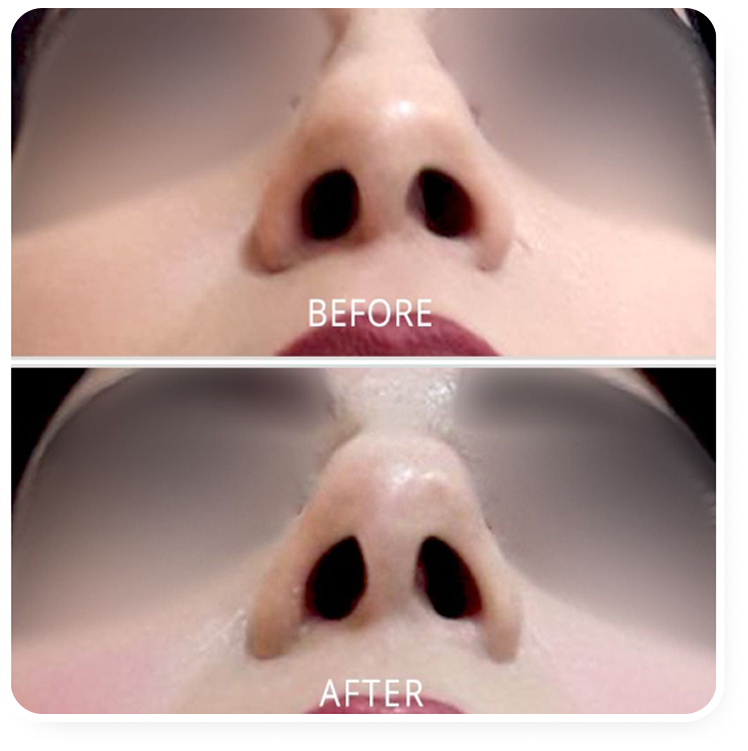
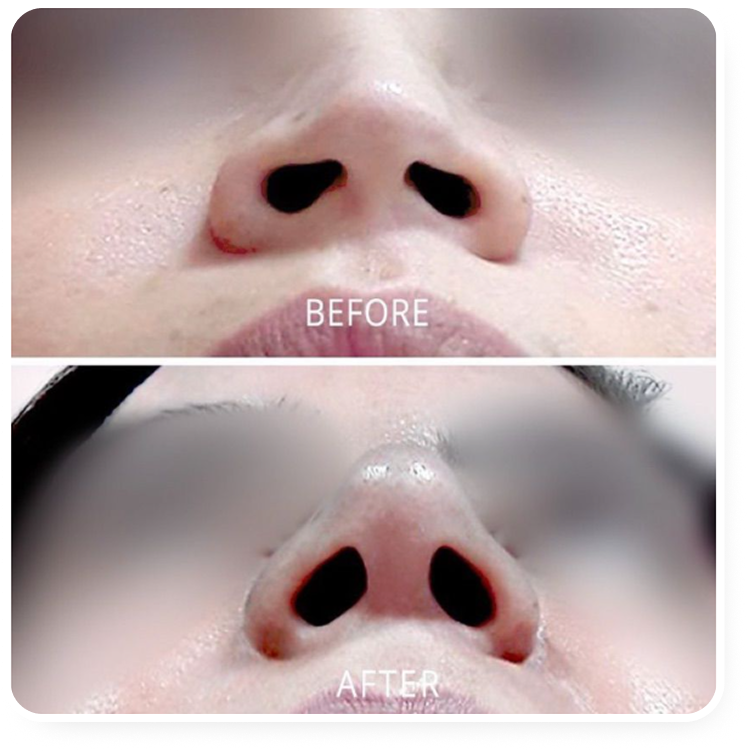
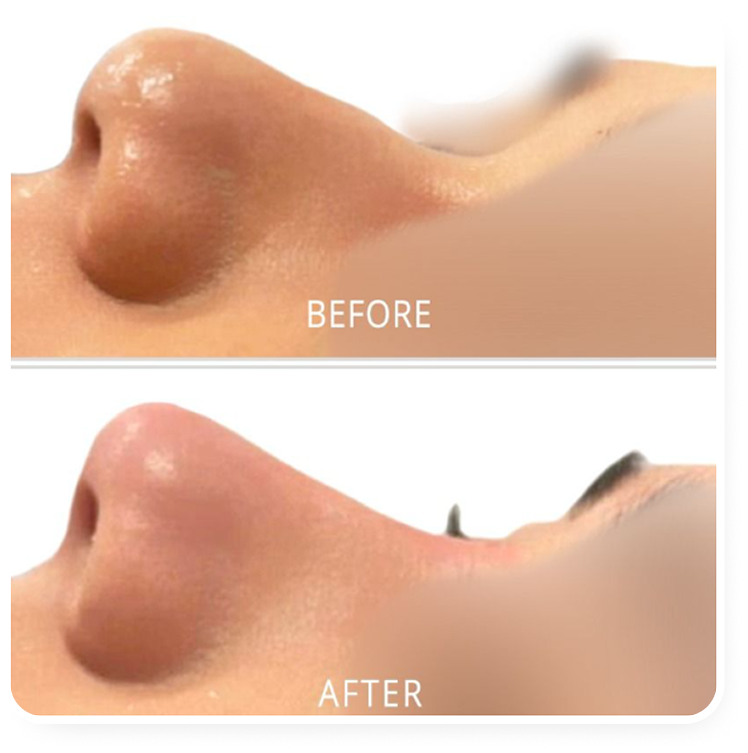
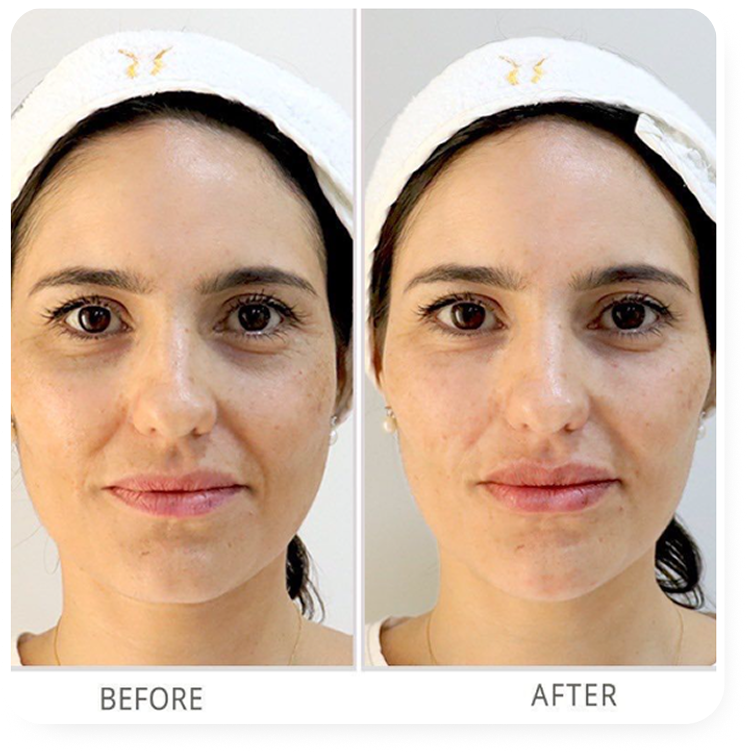
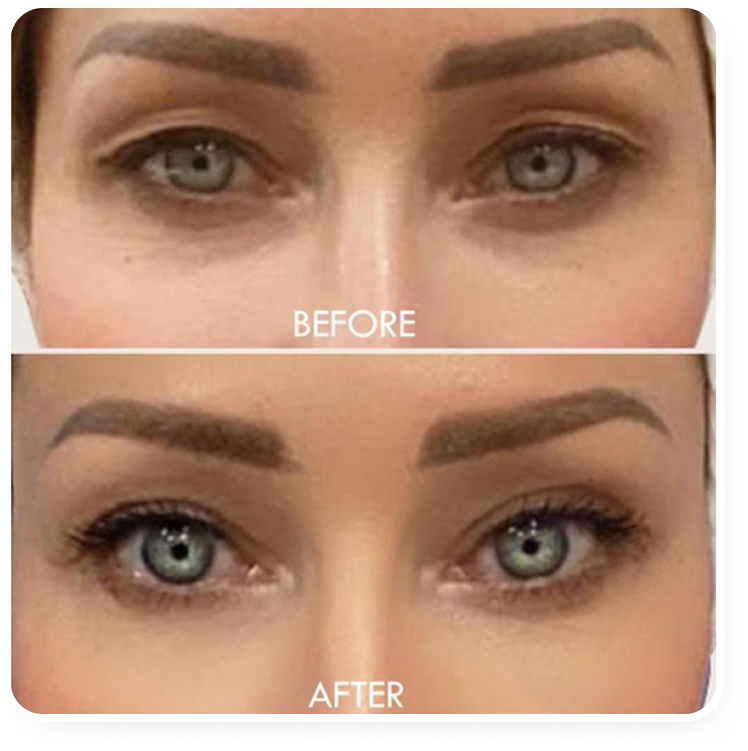
Before and After
Direct to Implant Reconstruction FAQ
Candidacy depends on your skin and tissue quality, breast size, and the mastectomy technique planned by your breast surgeon. Dr. Leandro Junqueira assesses this together with your surgical team before recommending this approach over a staged alternative.
If a single stage approach is not appropriate, a tissue expander can be placed at the time of mastectomy instead, with the definitive implant exchanged in a later procedure once the tissue has expanded gradually.
Direct to implant reconstruction is designed to be a single reconstructive stage, though some patients choose a later refinement procedure, such as fat grafting or symmetry surgery on the opposite breast, once healing is complete.
Depending on your anatomy, internal support techniques using your own tissue or a supportive material may be used to help position the implant securely from the first operation.
This approach is planned in coordination with your oncology team so that any recommended treatment after surgery, such as radiation, proceeds according to your overall cancer care plan.