
Inverted Nipple Correction
A quick, precise correction that restores natural nipple projection, with techniques chosen to protect sensation whenever possible.
Book a consultation- Procedure time
- 30 to 60 minutes
- Anaesthesia
- Local or general
- Back to routine
- 2 to 3 days
- Results
- Long lasting
The procedure
Correcting Inverted Nipples
An inverted nipple is a nipple that points inward or remains retracted below the surrounding areolar surface rather than projecting outward. It can affect one or both breasts, can be present from puberty or develop later in life, and varies in degree from mild retraction to a nipple that is fully inverted.
Dr. Leandro Junqueira assesses the degree of inversion and the condition of the milk ducts to choose between duct preserving techniques, which aim to maintain the potential for breastfeeding, and duct dividing techniques, which offer the most reliable correction for more significant or recurrent inversion.
Why patients choose it
Restored Projection
Correcting the inward pointing nipple to a natural, outward position.
Duct Preserving Option
A technique that aims to maintain breastfeeding potential when the anatomy allows.
Improved Confidence
Easing self-consciousness some patients feel about the appearance of the nipple.
Minimal Scarring
Small, discreet incisions placed at the base of the nipple.
Quick Recovery
A short, focused procedure with a brief recovery period.
Suitable for One or Both Sides
Performed on a single nipple or bilaterally, as needed.
Your journey
From consultation to result
-
01
Consultation
Assessing the grade of inversion and discussing your priorities, including future breastfeeding.
-
02
Planning
Choosing between a duct preserving or duct dividing technique based on your anatomy and goals.
-
03
Surgery
A short, precise procedure, typically under local anaesthesia with sedation.
-
04
Recovery
Light dressings and a brief period of protection while the nipple heals in its new position.
Correction Techniques
The right technique depends on the grade of inversion and whether preserving the milk ducts is a priority for you.
Duct Preserving Technique
Releases the tissue causing retraction while keeping the milk ducts intact, when the degree of inversion allows.
Duct Division Technique
Divides the shortened ducts for a more definitive correction, typically used for more significant or recurrent inversion.
Combination with Other Breast Surgery
Can be performed at the same time as augmentation, lift or areola reduction.
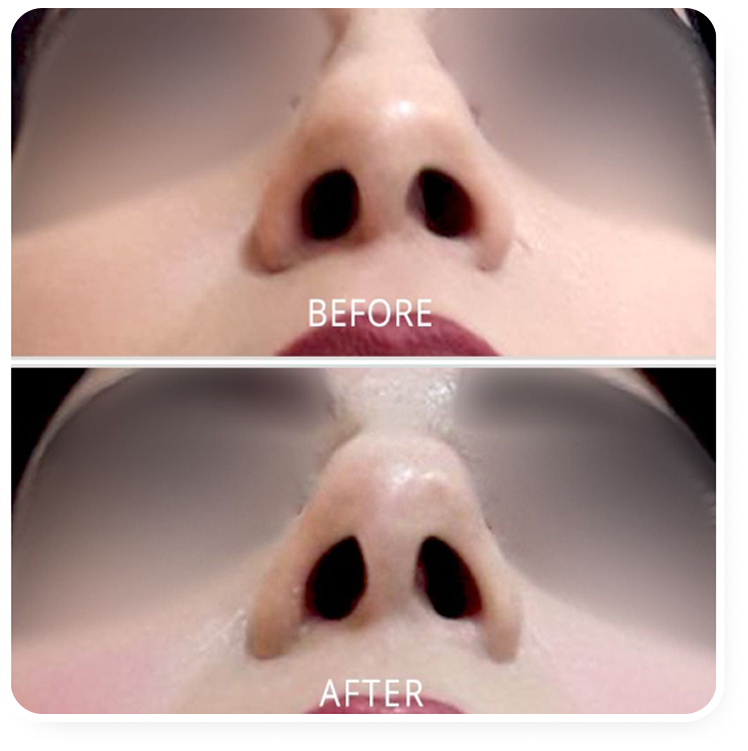
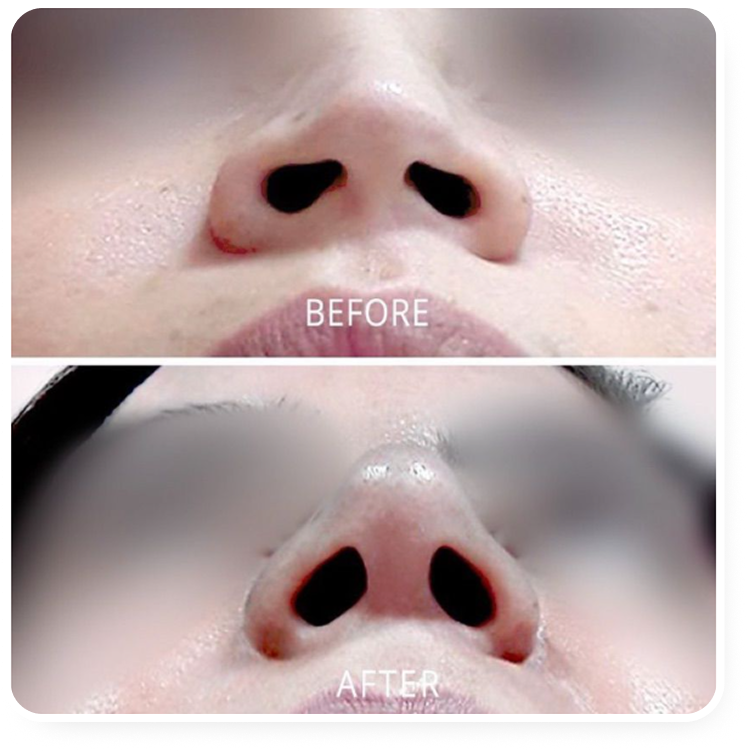
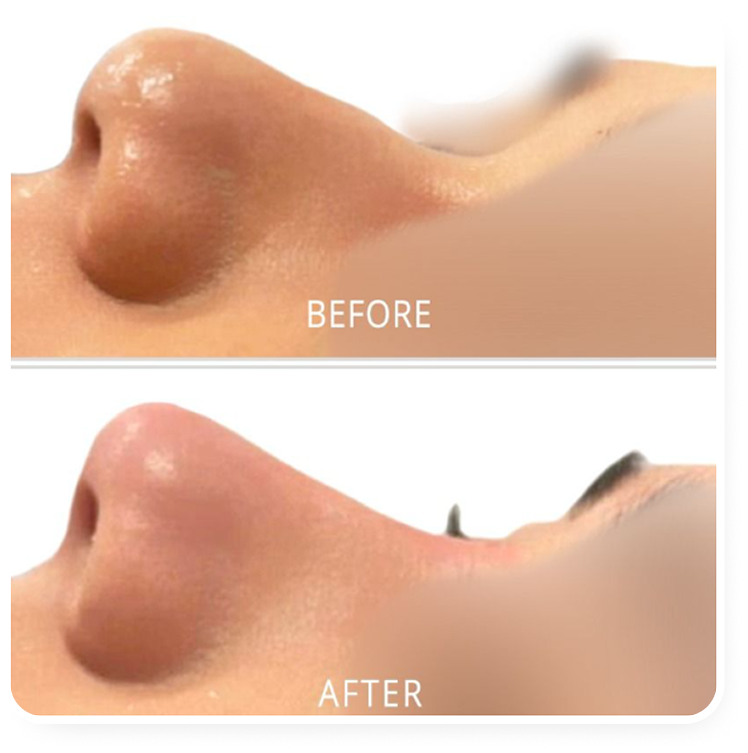
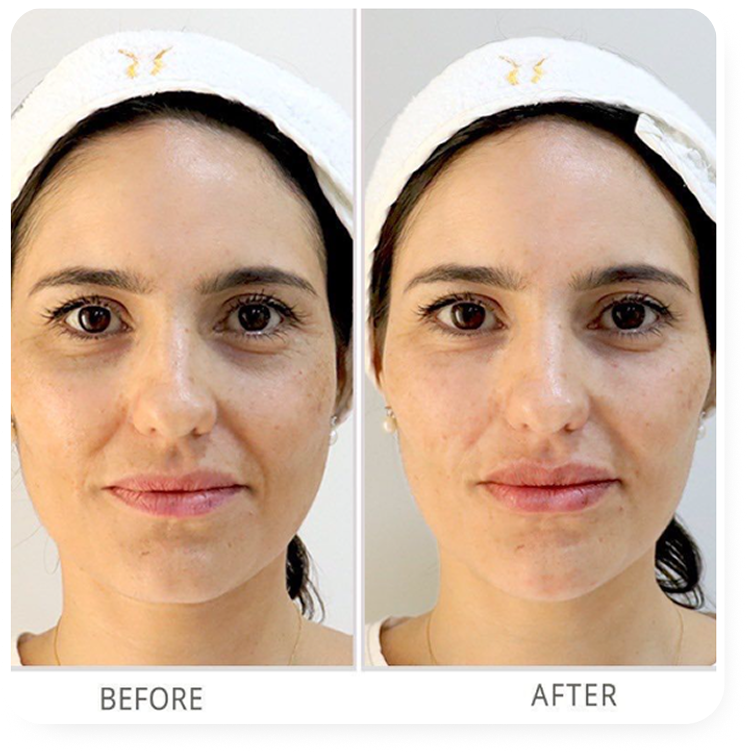
Before and After

Inverted Nipple Correction FAQ
It depends on the technique used. Duct preserving methods aim to maintain that potential, while duct dividing techniques, used for more significant inversion, are less likely to preserve it. This is discussed in detail during consultation.
Results are generally long lasting, though a small number of patients experience some recurrence over time, particularly with milder duct preserving techniques.
Temporary changes in sensation are common during healing. Technique is chosen with nerve preservation in mind whenever possible, though permanent changes are possible.
Yes, when both sides are affected, correction is typically performed in the same session.
Most patients return to light daily activity within two to three days, with full healing over the following weeks.