
Trauma Reconstruction
Restoring tissue, anatomy and function after significant injury, with a plan built around your specific damage and goals.
Book a consultation- Procedure time
- Varies by injury
- Anaesthesia
- Local or general
- Back to routine
- Varies by case
- Results
- Refined over months
The procedure
Rebuilding Tissue and Function
Trauma reconstruction is reconstructive plastic surgery performed to restore tissue, anatomy and function after a significant injury, infection or other destructive process has damaged part of the body. Every case is different, since the extent and location of the damage, along with your overall health, shape what reconstruction is needed.
Dr. Leandro Junqueira approaches trauma reconstruction as a partnership between restoring appearance and restoring function, since the two are rarely separate. A joint that cannot move properly, or skin that has lost its coverage, is addressed as a functional problem first, with aesthetic refinement built into the same plan.
Why patients choose it
Restored Coverage
Closing complex wounds with healthy, well vascularised tissue where simple closure is not possible.
Functional Recovery
Addressing tightness, restricted movement or loss of function caused by the original injury or its scarring.
Staged, Safe Planning
A reconstructive plan built in stages when needed, prioritising healing and safety over speed.
Aesthetic Refinement
Attention to contour and scar appearance once the functional priorities have been addressed.
Individualised Approach
A plan built around the specific tissue lost, rather than a standard protocol applied to every injury.
Coordinated Care
Planning alongside other specialists involved in your care, such as orthopaedic or general surgery teams, when relevant.
Your journey
From consultation to result
-
01
Consultation
A detailed assessment of the injury, tissue loss, prior treatment and overall health.
-
02
Planning
Selecting the least complex technique capable of achieving safe, functional coverage and reconstruction.
-
03
Surgery
One or more procedures performed under local or general anaesthesia, depending on complexity.
-
04
Recovery
Close follow up as tissue heals, with further refinement staged in as appropriate.
A Staged Approach to Reconstruction
Trauma reconstruction generally follows a principle of using the simplest technique that safely restores tissue and function, before considering more complex options.
Direct Closure and Skin Grafting
For more limited tissue loss, direct closure or skin grafting may be sufficient to achieve safe coverage.
Local Tissue Techniques
Nearby tissue can sometimes be rearranged to cover a defect while keeping the donor area close to the injury.
Flap Reconstruction
For more extensive or deeper tissue loss, tissue with its own blood supply may be moved from elsewhere on the body.
Secondary Refinement
Once the wound is safely healed, a later procedure may improve contour, scarring or residual function.
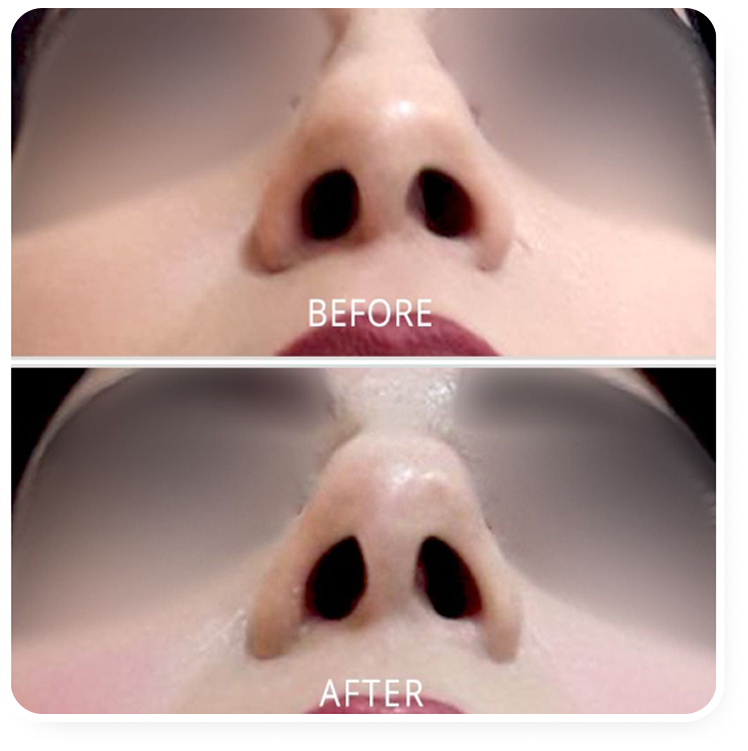
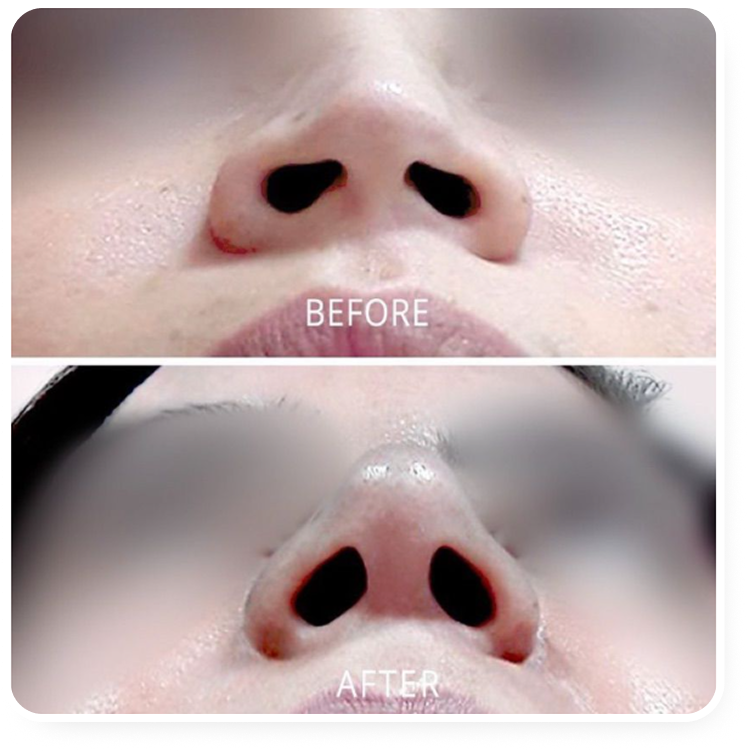
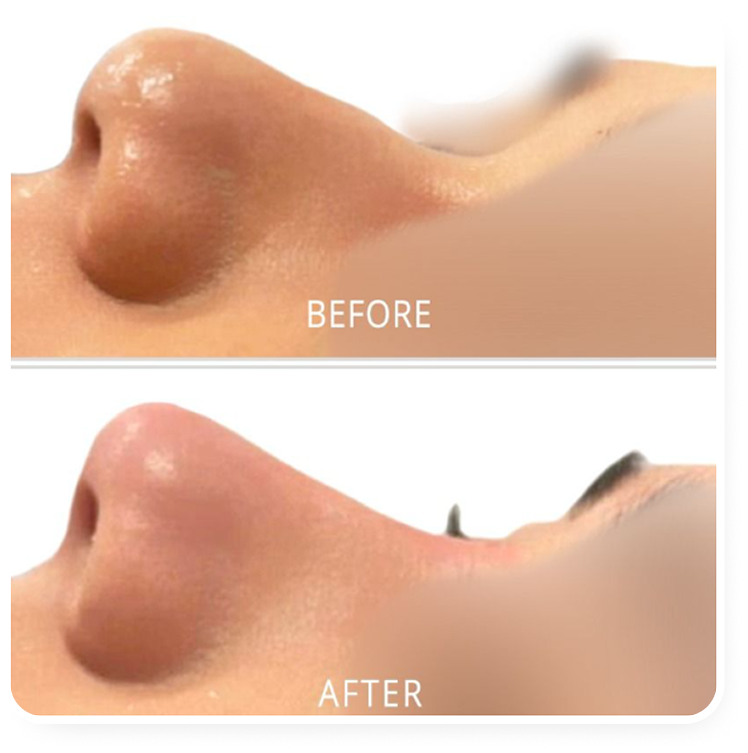
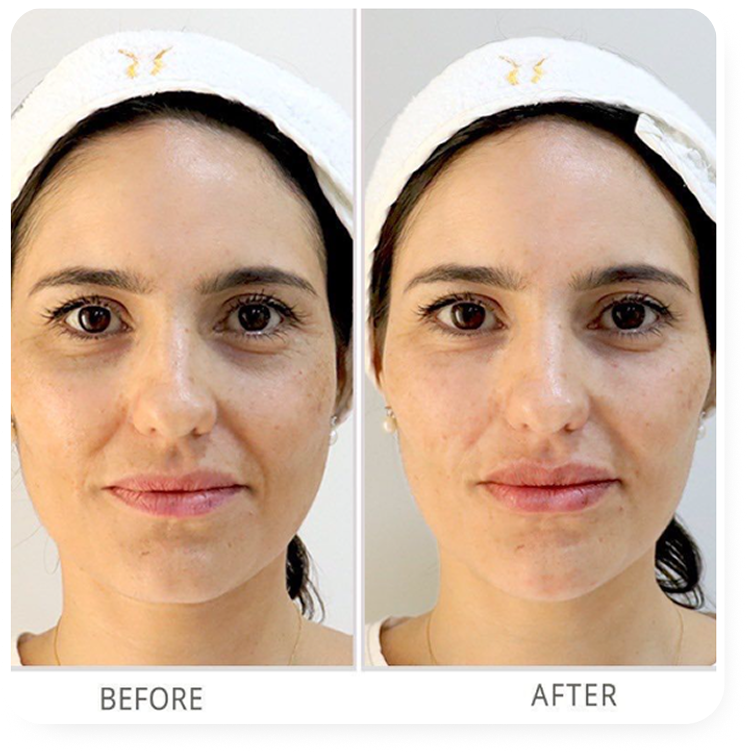
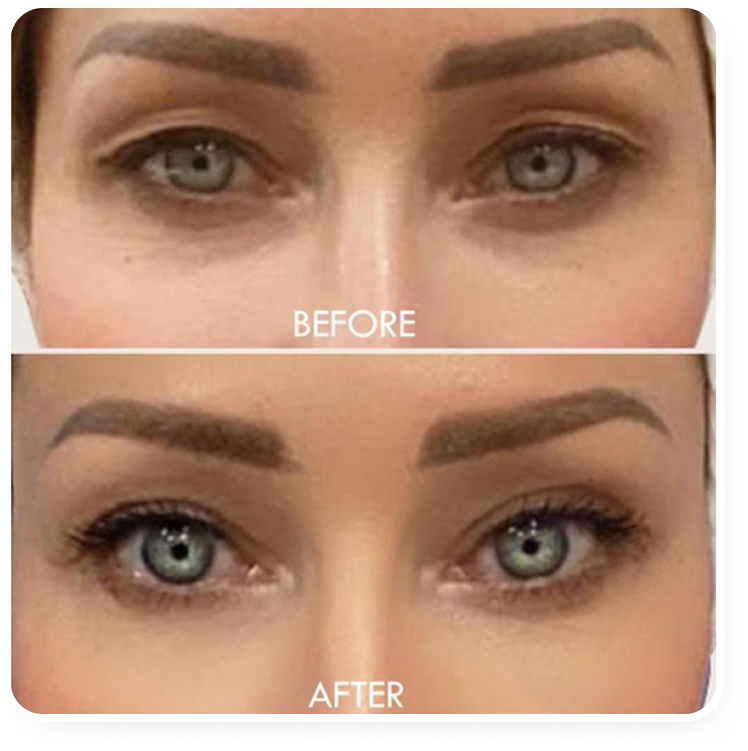
Before and After
Trauma Reconstruction FAQ
This depends on the injury, the presence of infection, and your overall stability. Some reconstruction begins soon after the initial injury, while other cases require the wound to be stabilised first. Dr. Leandro Junqueira assesses this individually.
Many trauma reconstructions are staged, meaning safe wound coverage is prioritised first, with further refinement to appearance or function planned once healing is confirmed.
In many cases, addressing scar tightness or replacing missing tissue can improve movement that was restricted by the original injury, though the extent of recovery depends on the structures involved.
Yes, both the original injury and the reconstructive procedure will leave some scarring. Dr. Leandro Junqueira plans incisions and closures to minimise this as far as the injury allows.
Yes, complex trauma reconstruction is often planned alongside other specialists involved in your care, such as orthopaedic, vascular or general surgery teams, to coordinate a safe, comprehensive treatment plan.